Why Fostering Children’s Behaviour Through Outdoor Experiences Is Critical for Humanity’s Future
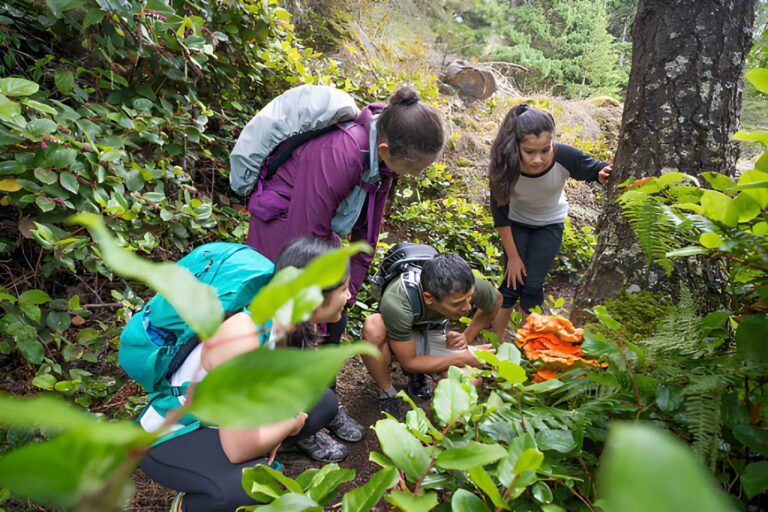
Human progress isn’t just about technological advancement — it’s fundamentally about the kind of people we raise. The habits, values, and capacities children develop early in life shape how they will think, problem-solve, cooperate, and relate to the world as adults. In a time when digital screens increasingly dominate childhood, growing evidence shows that regular exposure to nature and outdoor activity plays a crucial role in nurturing healthy behaviour, cognition and social development. This isn’t sentimental: it’s backed by science — and it matters for our collective future.
The Rising Concern: Screen Time and Developmental Risks
Recent studies highlight real risks tied to excessive screen time in early childhood. A large cohort study of more than 7,000 mother–child pairs found that children with higher screen exposure at age 1 had significantly greater odds of developmental delays in communication, problem-solving, fine motor skills, and social and personal skills by ages 2 and 4. JAMA Network
This isn’t just about delayed milestones — another large-scale survey (ages 6 months to 5 years) found that children with 2 or more hours of screen time per day had lower “flourishing” scores and more externalizing behavioural issues than those with minimal screen exposure. JAMA Network
For preschool-aged children (around 3 years old), a study found that exceeding 1 hour of screen time per day was associated with poorer language, behavioral, and developmental outcomes. PubMed+1
In recognition of such evidence, health authorities such as the World Health Organization (WHO) recommend limiting sedentary screen time for young children and emphasise active play and interactive, non-screen-based caregiver engagement as vital for healthy development. World Health Organization+1
Collectively, these findings underscore a clear trend: excessive screen time, especially at early ages, can hinder key areas of brain development, communication, social skills, and behaviour — all of which form the foundation for a well-adjusted, capable adult.
The Alternative Path: Nature, Outdoors, and Behavioural Development
On the other side, extensive research shows that regular interaction with nature and outdoor environments has a powerful and positive effect on children’s cognitive, emotional, and social development.
A comprehensive review found that children and adolescents who spend time in green school environments or engage in outdoor learning and nature-based activities tend to have better attention, behaviour regulation, academic performance, and social interactions. Children & Nature Network+2SpringerLink+2
Specifically, access to green spaces is linked to improved mental well-being, reduced stress, enhanced self-discipline, better memory and attention, and lower likelihood of behavioural and developmental problems. PubMed+1
Furthermore, simple outdoor play — unstructured play in natural environments — supports vitamin D synthesis (essential for strong bones and overall health), improves sleep regulation, boosts mood, and encourages sensory and social development. UCLA Health+1
In short: being in nature doesn’t just foster cosy feelings — it supports real, measurable improvements in behaviour, cognition, and social-emotional health.
Real-World Impact: Schools, Communities, Families
Greening Schools & Outdoor Learning
Educational settings that integrate green spaces, outdoor classrooms, or regular nature walks are increasingly common — and research suggests they pay off. One systematic review of 19 empirical studies found that school-led nature interventions (like walking, gardening, or green-space learning) correlated with improved social well-being, physical activity, and positive affect among students aged 5–19. SpringerLink+1
Such programs not only give children regular exposure to natural settings, but also build routines around cooperation, exploration, and sensory engagement — all conducive to social and emotional growth.
Families & Everyday Outdoor Play
For families, even modest changes — like daily time in parks, weekend hikes, or frequent outdoor play — can make a difference. These activities help children practice coordination, communication, social play, problem-solving and self-regulation in real environments. Over time, these translate into stronger emotional resilience, better social behaviour, and a deeper connection with the natural world.
In regions where screen time becomes default leisure (especially among younger children), promoting outdoor activity offers an accessible, low-cost, and scientifically backed path to build healthier childhoods.
Long-Term Stakes: Why This Matters for the Future of Our Species
Behavioural foundations shape society: Children who grow up with strong attention, emotional regulation, empathy, social skills and ecological awareness are more likely to become adults who cooperate, innovate responsibly, support sustainable practices, and prioritize collective wellbeing over short-term gains.
Ecological connection fosters stewardship: Regular contact with nature builds ecological literacy and emotional empathy for the planet — vital in an era of environmental crisis and climate change. Nurturing such values in youth increases the odds of responsible behaviour toward nature in adulthood.
Protecting early cognitive growth safeguards future potential: Healthy brain development and social-cognitive capacities give children — potential future scientists, thinkers, leaders — the tools they need to solve complex global challenges. Overuse of screens during critical early years may undermine this potential.
In other words: the habits we encourage today influence the kinds of humans we become tomorrow — and that has real consequences for societal health, environmental sustainability, and long-term progress.
What Parents, Educators & Communities Can Do — Immediately
Prioritize outdoor play over screen time: For young children especially, limit sedentary screen time to what is strictly necessary. Replace idle digital time with active, unstructured outdoor play or guided interaction with caregivers.
Integrate nature into learning: Schools and community groups can introduce green-space interventions — nature walks, gardening, “forest-school” sessions or green classrooms — to combine learning with outdoor exposure.
Encourage regular family or group hikes and outdoor activities: Weekend hikes, park visits, nature exploration trips — even short, regular sessions reinforce nature connection, physical health, and social bonding.
Advocate for urban planning that prioritises green space: Cities and communities with safe, accessible green spaces allow all families — regardless of background — to benefit from nature exposure.
Educate caregivers about balanced screen-time guidelines: Promote awareness about developmental risks associated with excessive screen use and encourage interactive, non-screen activities such as reading, storytelling, or outdoor play.
Conclusion
As we accelerate through an age of rapid digitalisation, raising children in front of screens is becoming the norm — but that doesn’t mean it’s best for their long-term development. Evidence now clearly shows that outdoor play, nature exposure and active physical engagement promote better cognitive, social, emotional and behavioural outcomes than excessive screen time.
If humanity hopes to shape a future where individuals are mentally healthy, socially responsible and environmentally conscious — capable of cooperation, empathy, creativity and resilience — then we must re-think how we raise our children. Encouraging them to explore forests, climb hills, play in parks and interact with nature isn’t optional: it may be essential for the survival and flourishing of our species.
References & Further Reading
World Health Organization. “To grow up healthy, children need to sit less and play more.” WHO news release, 24 April 2019. World Health Organization
Madigan S, Racine N, Cooke JE, et al. “Association Between Screen Time and Child Development at 2 and 4 Years.” JAMA Pediatrics. 2020. JAMA Network+1
Systematic review on screen time and preschool development — International Pediatric Research Foundation, 2021. PubMed+1
Educational Psychology Review: “Effects of School-led Greenspace Interventions on Mental, Physical and Social Wellbeing in Children and Adolescents.” 2024. SpringerLink+1
Review: “Does Nature Contribute to the Management of ADHD in Children?” highlighting restorative benefits of nature exposure on attention. MDPI+1
Article summarizing physiological and psychological benefits of outdoor play: UCLA Health “Benefits of Outdoor Play for Children.” UCLA Health